Self-funded. Solo-built. End-to-end.
Walker is
the syllabus.
A 5′6″ humanoid engineered across mechanics, locomotion, and edge intelligence—and the public record of making the whole system real.
Build status · V1 was built (an early, scrappy prototype, now archived). V2 is the one being built now.
Ownership · designed, funded, and built by one person.
Lab book · 30 chapters, 182 measurements, one 8 GB Jetson. The 8 GB Lab Book
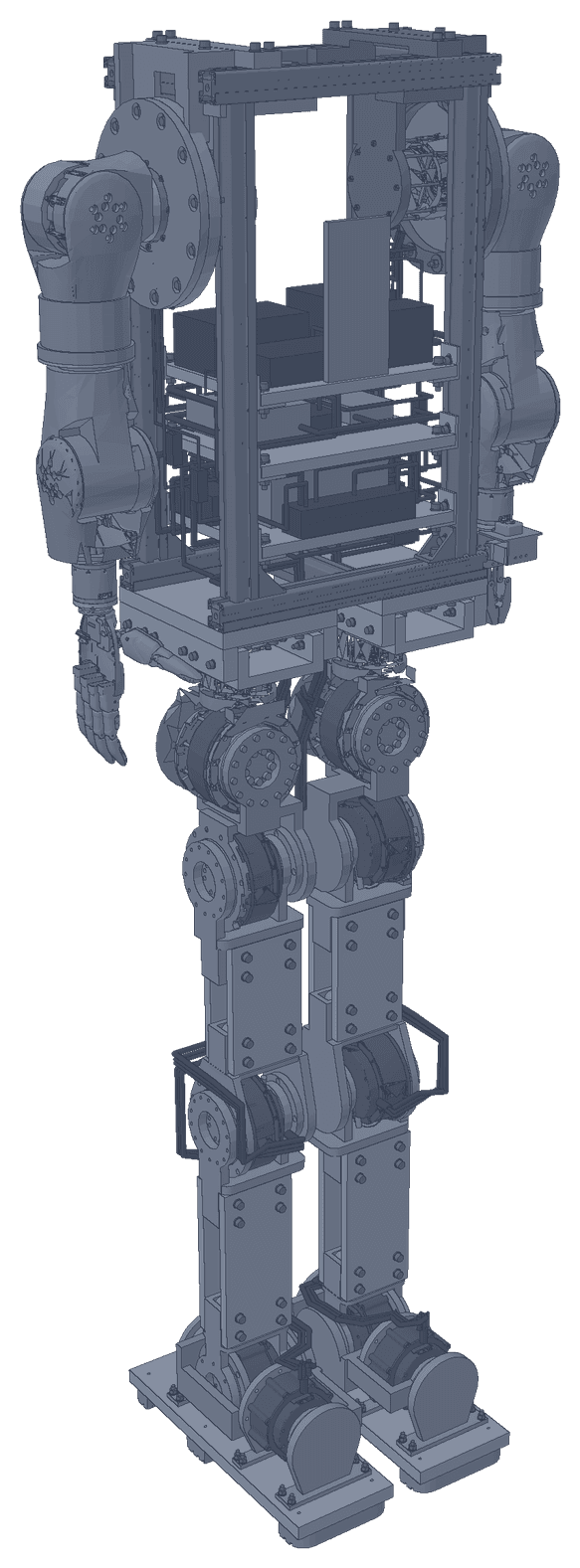
- 1.6764 m
- floor → torso
- 35.4 kg
- physics model
- 22
- RobStride motors
- 8 GB
- edge envelope
Weight changes as features change.
Independent full-stack build
One builder owns every boundary.
- 01BodyCAD + actuators
- 02MotionRL policies
- 03BrainJetson inference
- 04Groundingpapers + lectures
Two contiguous 30-day series
The build, split at the neck.
One series earns the compute budget. The other earns the gait. They are separate daily practices pointed at the same robot.
Jetson edge inference
Make 8 GB feel intentional.
Thirty measured decisions for the machine above: memory fit, CUDA kernels, TensorRT, quantization, live vision, local language models, and the two clocks between a policy and its motors. Read it as a book
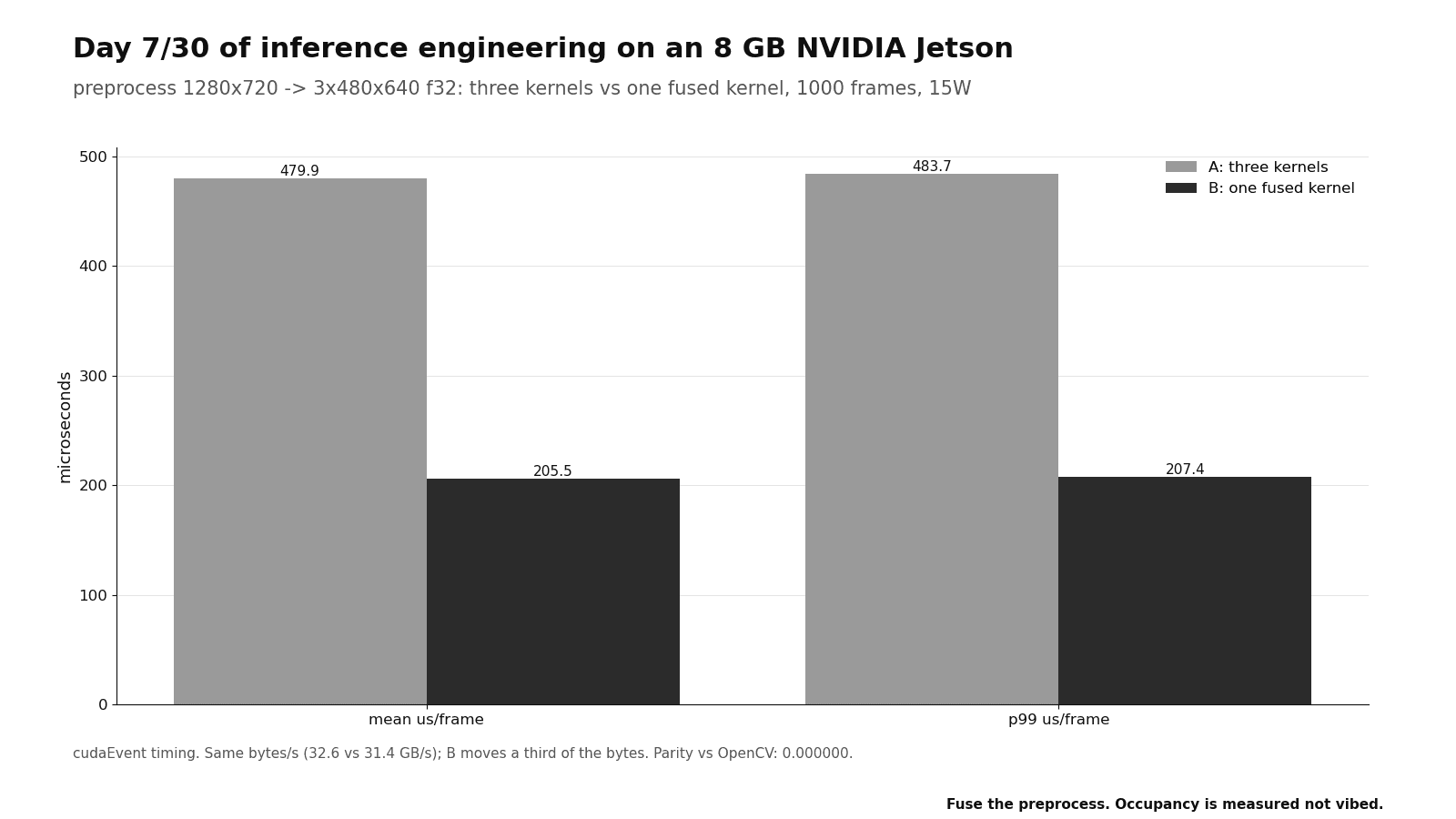
Three preprocess kernels fused into one: 479.9 → 205.5 μs.
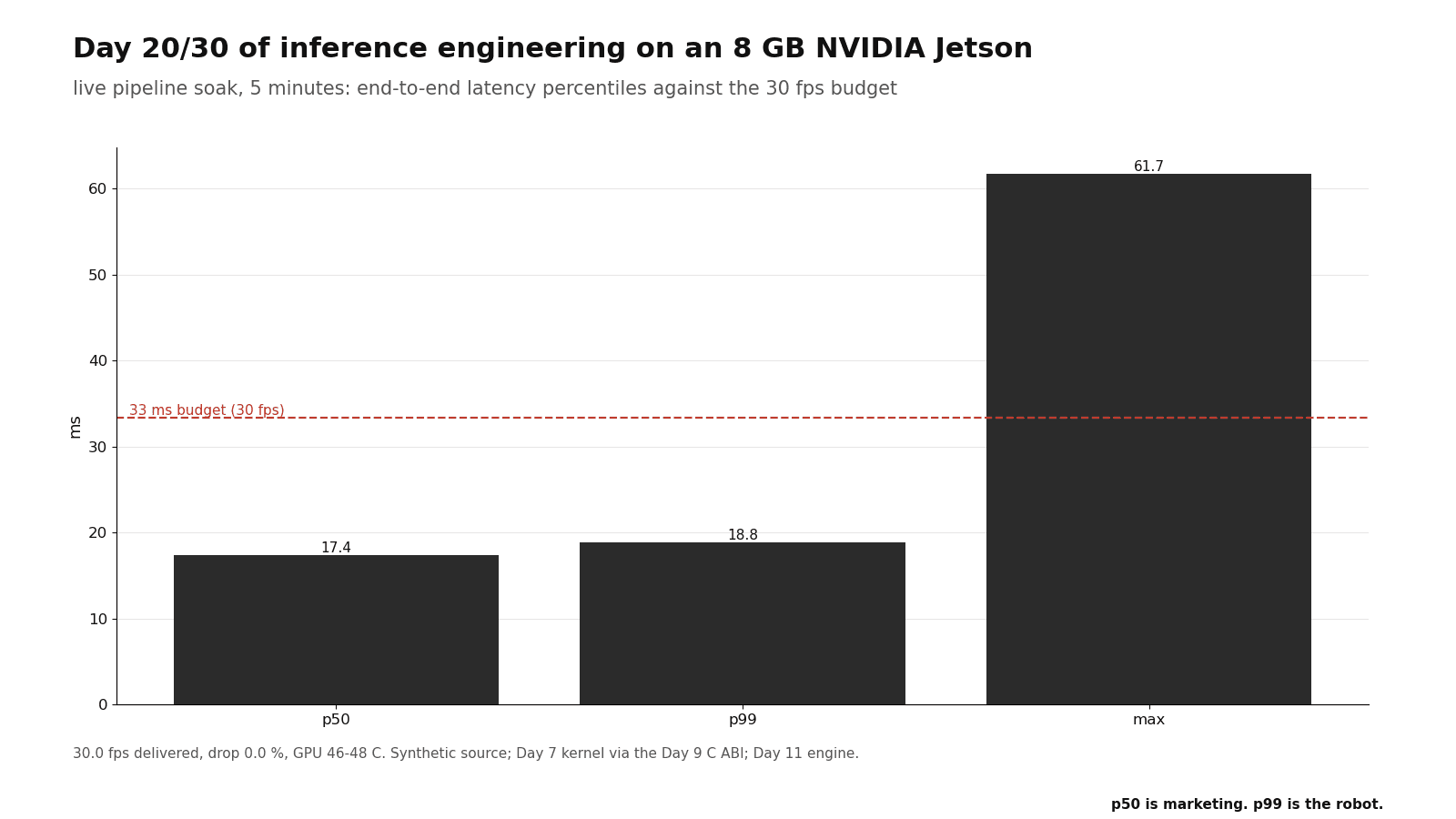
Measured p99 at 30 FPS with zero dropped frames.
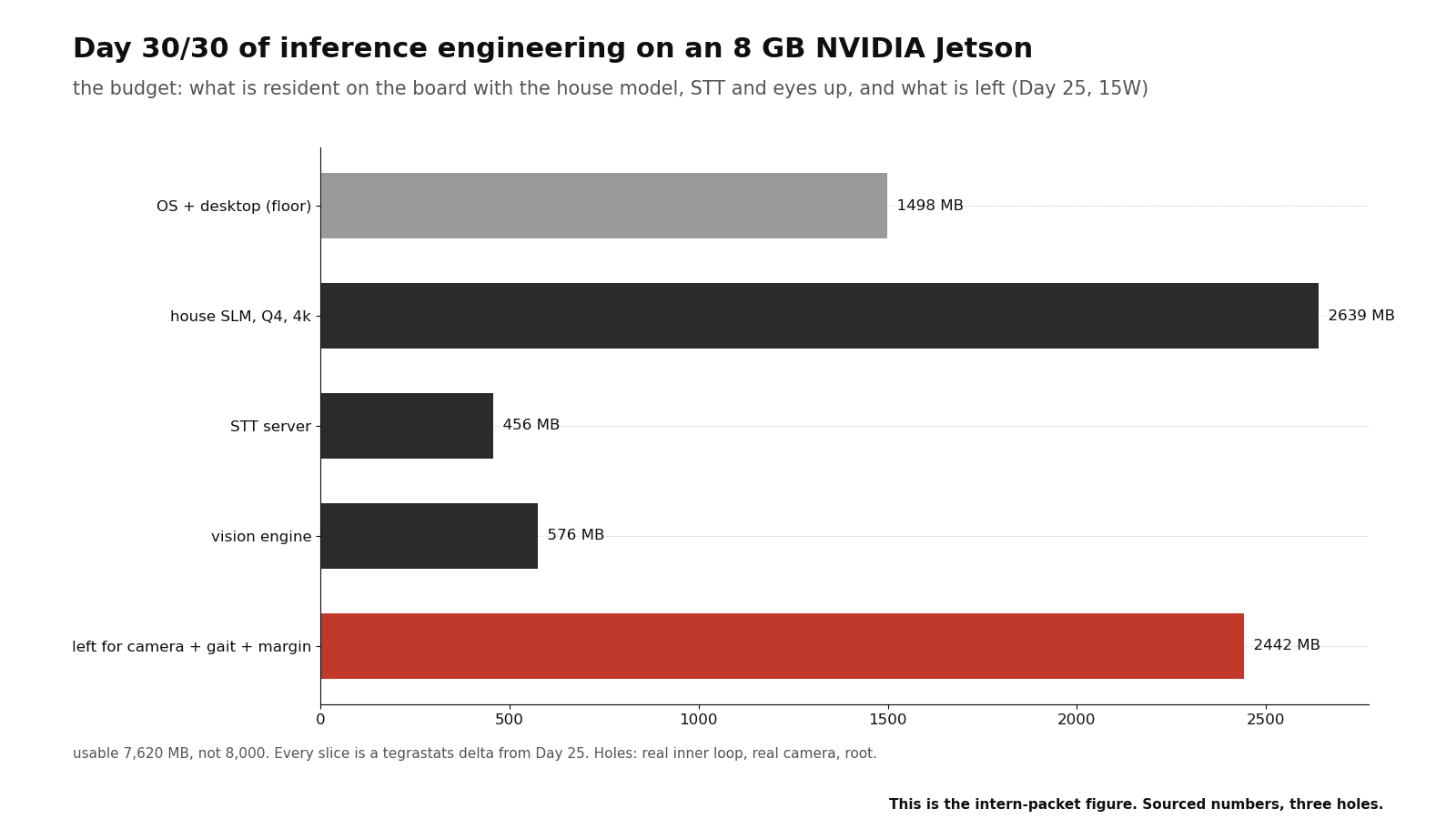
Left for camera, gait, and margin after the model stack.
The complete working index
- 01
- 02
- 03
- 04
- 05
- 06
- 07
- 08
- 09
- 10
- 11
- 12
- 13
- 14
- 15
- 16
- 17
- 18
- 19
- 20
- 21
- 22
- 23
- 24
- 25
- 26
- 27
- 28
- 29
- 30
RL walking policies
Teach the body to recover.
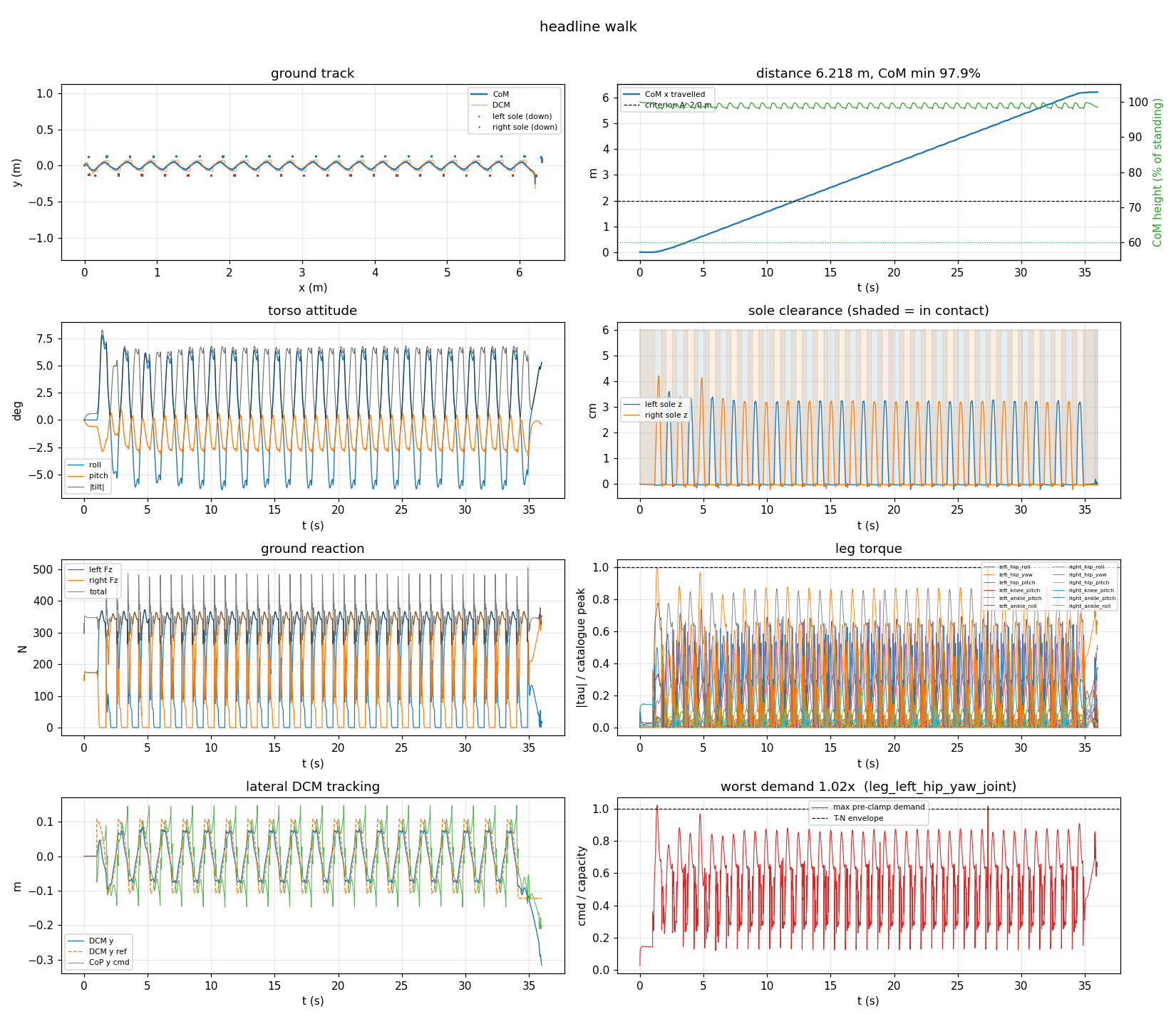
The hand-written gait proves the model can move. This series begins where it stops: learned locomotion, domain-randomized dynamics, disturbance recovery, and transfer to twenty-two real motors.
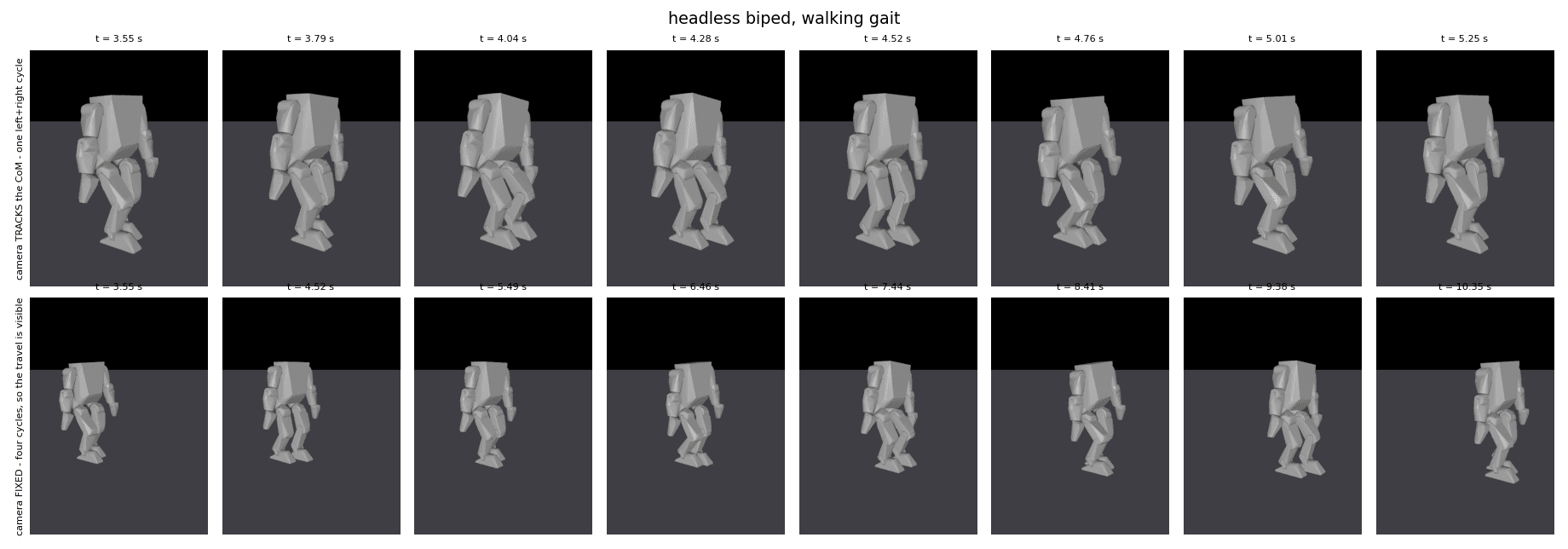
36 seconds · 70.6 steps/min · feet-only floor contact
What the series has to answer
- 01Can one policy tolerate mass and inertia mismatch?
- 02Can recovery be trained, not hand-scripted?
- 03Which behaviors survive the sim-to-real crossing?
Orthogonal track / 28 papers · 15 lectures
Study that outlives this build.
The lectures and paper implementations are not filler between robot updates. They are a separate record of the ideas underneath the work.
15 lecture videos
Back to first principles.
- Stanford CS229Learning systems
- Stanford CS231nVisual recognition
- MIT UnderactuatedDynamics + control
- MIT 6.S191Deep learning
28 paper implementations